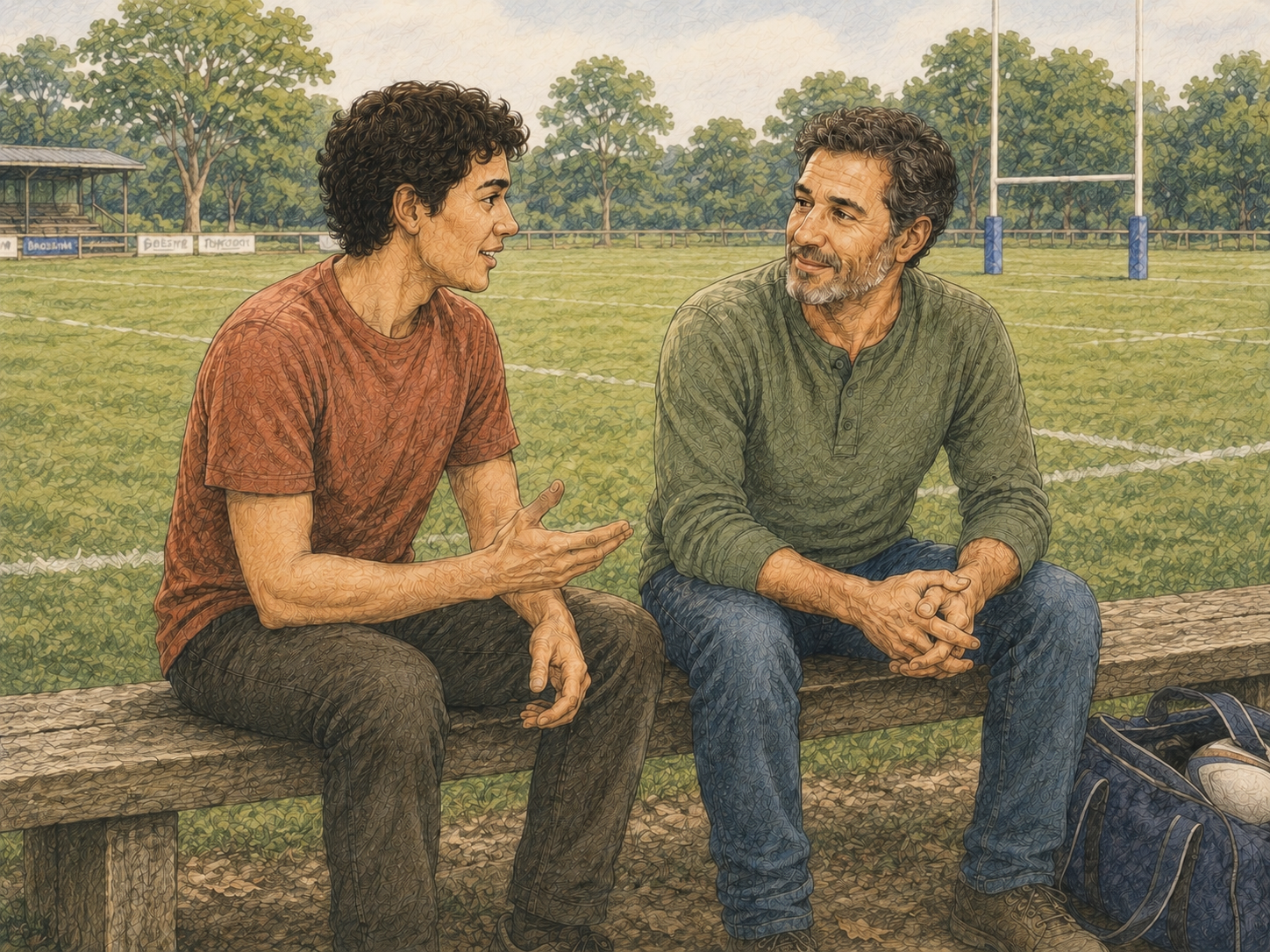
Supporting tamariki or rangatahi experiencing mental distress and/or illness
Caring for a tamariki/child or rangatahi/young person experiencing mental distress or illness can be tough for parents, caregivers and wider whānau. Many tamariki and rangatahi may experience mental distress or illness at some stage in their lives, and while some issues may resolve with time, others may need additional support.
You know your tamariki better than anyone. If you're worried about them, first ask yourself: ‘Has there been a significant change in their behaviour?’ If so, consider:
- Is this behaviour change caused by any specific events or changes in their life?
- Do the changes only happen in the one place – e.g. at home or at kura/school?
- Do you notice changes when they're with others or alone?
Signs that your child may be upset or worried about something can include:
- Significant changes in their behaviour
- Ongoing difficulty with sleeping
- Withdrawing from social situations
- Not wanting to do things they usually like
- Self-harm or neglecting themselves (e.g. poor hygiene).
The tips listed in the ‘How to offer support’ section above can also be used by parents or caregivers supporting tamariki and rangatahi.
If you're worried about, or unsure of how to help, your child, don't hesitate to reach out for advice or guidance – there is support out there. Talk to your GP, school counsellor, or mental healthcare professional, or call a helpline (visit our ‘How to access help' section for more information).