Skip to main content Skip to footer

Support for myself

It’s important that you know how to look after your mental health and wellbeing and seek support when you need it.

“Almost half of us (47%) will experience mental health challenges in our lifetime.”

Te Rau Hinengaro, 2004

It’s normal to go through tough times and feel down or sad sometimes. It may be because of things happening in your personal life, world events or for no obvious reason at all. These feelings are part of being human.

Often these feelings will pass over time. But, if they stick around or start to affect your daily life, it’s important you reach out and get the support you need and deserve.

What are mental health challenges?

Mental health challenges can involve troubling, confusing or out-of-the-ordinary thoughts, feelings and behaviours that stick around and affect your day-to-day life.


Our top tips to help you through mental health challenges

Friend

Talking about thoughts and feelings can be hard. You may feel ashamed or worry about being a burden to others. But, letting someone know you need help is a brave and important step toward feeling better. Check out our guide to starting a conversation about your mental health.

Your GP or hauora service can be a good first step. They can connect you with counselling, mental health services or medication if needed.

Other options include counselling, peer support groups (to connect with others who have similar experiences), and local community mental health services. Visit our page on Accessing Mental Health Services for information on the types of support available, where to find help, and how to access them.

You may need some extra support if you: 

  • Experience distress that lasts longer than four weeks
  • Are isolating from your whānau, friends and peers
  • No longer enjoy activities
  • Experience high levels of anxiety that stops you from doing things
  • Have changed eating habits
  • Have difficulty managing emotions, and express anger in ways that can harm yourself or others
  • Hearing voices, experiencing paranoia or seeing things that others can’t
  • Self-harm (through self-injury or reckless behaviour with drugs, alcohol and sexual activity). See below for more information.
  • Are experiencing suicidal thoughts. Read more here.

Understanding what’s happening can make things feel more manageable. Explore our A–Z of mental health conditions for trusted information about specific mental health challenges, symptoms, and recovery strategies. You can also ask your health professional to explain your condition and treatment options and answer any questions you may have. 

"What I’ve found most useful is learning how to recognise when I’m becoming depressed and actioning my self-care plan. I read oncoming depression as a messenger reminding me to really take care of myself."

- Someone who lives with depression 

Creating a personalised plan can help you find your way through difficult times. Work with your healthcare provider, whānau, or others you trust to develop a plan that works for you.

You might like to create:

•    A Safety Plan - outlining steps to keep you safe when you’re experiencing challenging thoughts or feelings.

•    A My Advanced Preference Statement (MAPS) – which helps you stay involved in decisions about your mental health care and treatment. See our Supported decisions section for more information. 

Goals

When you’re experiencing mental health challenges, the idea of setting goals can feel overwhelming. You might feel like you’re starting from scratch - and that’s okay. 

We’ve gathered practical tips, based on people’s lived experiences, to help you create recovery goals  that feel realistic and empowering. Read more in our Guide to setting mental distress recovery goals.  

People with experience of mental illness have also found the following strategies to be useful:

  • Reflect on your early warning signs or what can cause you distress. Is it work, family, school or something else you can identify? Write in a journal when you’re feeling stressed or anxious to help you spot any patterns.
  • Know your support network (whānau, friends, mental health professionals and services) and ask for or accept their help. You don’t have to do this alone.
  • Eat healthy meals, try to get a good sleep and do regular exercise.
  • Avoid or reduce your use of alcohol and illegal drugs, as these may worsen distressing experience or symptoms.
  • Accept that you cannot control everything.

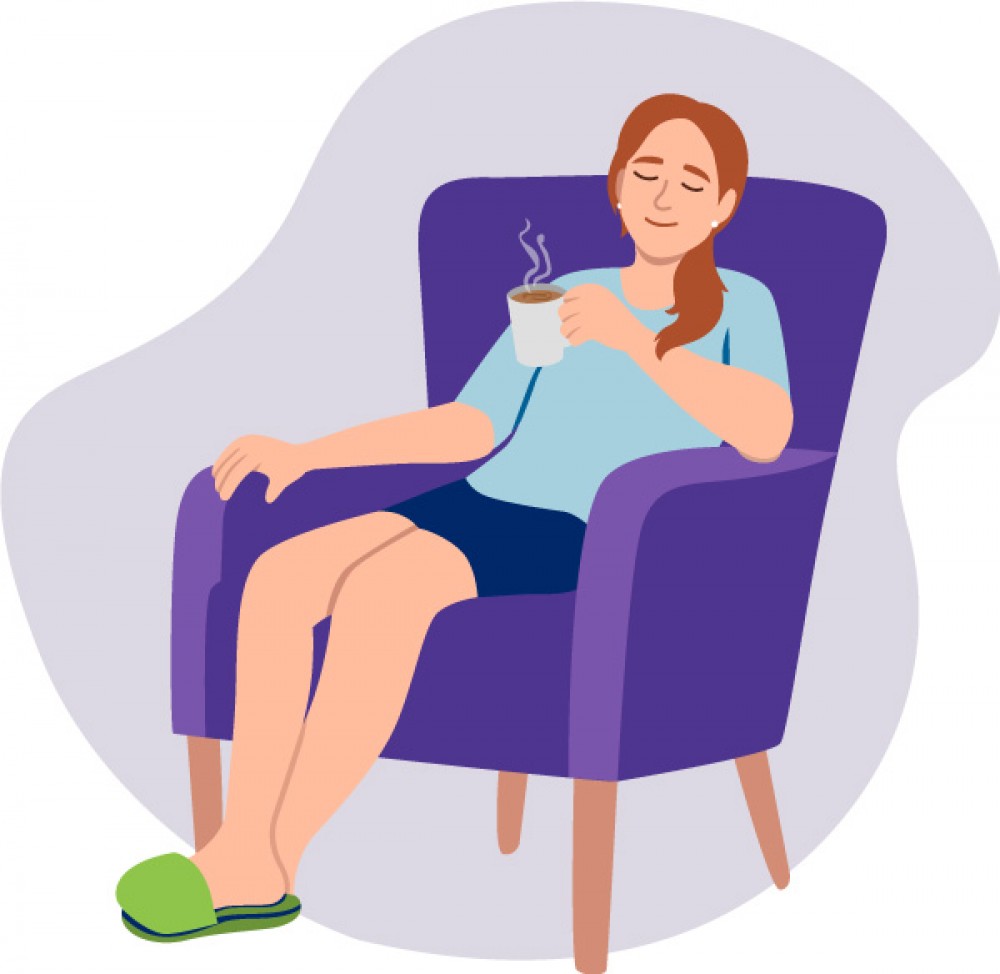
Woman having a cuppa

You can lift your mental wellbeing, regardless of whether you experience mental health challenges. The Five Ways to Wellbeing are simple, proven actions you can do every day to help you find balance and feel your best. You can also create your own wellbeing plan using our template.

Helpful resources

Share this page

There is no health without mental health

Help ensure everyone in Aotearoa has the tools to enjoy positive mental health and wellbeing.

Was this page useful?

We use cookies to improve your experience, analyse site traffic, and personalise content. By clicking "Accept", you agree to our use of cookies.