Skip to main content Skip to footer

Suicide Loss

Any kind of death is difficult, and a death from suicide can be especially hard to cope with. Find practical information and advice to help you support yourself and others after a suicide death.

The Mental Health Foundation provides information and advice to help people support themselves and each other after a suicide death.
If you lose someone by suicide, you may experience all kinds of emotions and physical reactions to the stress you are under. You may feel you will never recover from the loss, and even feel you don’t know how you are going to carry on. Coming to terms with what has happened will take time.

There are support groups around New Zealand that can offer support and help if you need it. Visit our Suicide bereavement support groups NZ to find a group near you.

If you, or anyone you know, is impacted by a suspected suicide loss and seeking support, please contact Huarahi Ora – a free National Bereavement triage and coordination service. Call 0800 437 009. You can read more about Huarahi Ora here.

If you are bereaved by suicide, you can also access free therapeutic support through Aoake te Rā – more information visit https://www.aoaketera.org.nz/

The experience of loss and grief after a suicide is different for everyone. 

Some common grief reactions to suicide include:
  • intense shock, numbness and disbelief
  • reliving the details of the death, especially if you are the one who found the person's body
  • not being able to sleep, or having nightmares and dreams about the suicide
  • feeling shame, whakamā, guilt or blaming yourself
  • a fear of being alone, or of others dying ‒ and wanting to be with friends or whānau a lot
  • feeling betrayed, rejected or powerless
  • anger, or blaming others for the loss
  • not wanting to talk, or wanting to be alone
  • forgetting things, or finding it hard to concentrate
  • sadness, emptiness or loneliness
  • an ongoing and intense search for meaning and reason for the suicide
  • feeling alone, stigmatised or blamed for the death
  • thinking about suicide a lot, and having thoughts of suicide
  • feelings of relief ‒ this is often the case if the person who died by suicide had threatened or attempted suicide a lot before they died
  • physical reactions like soreness, exhaustion, headaches and nausea
  • other grief reactions – read more about grief and loss.
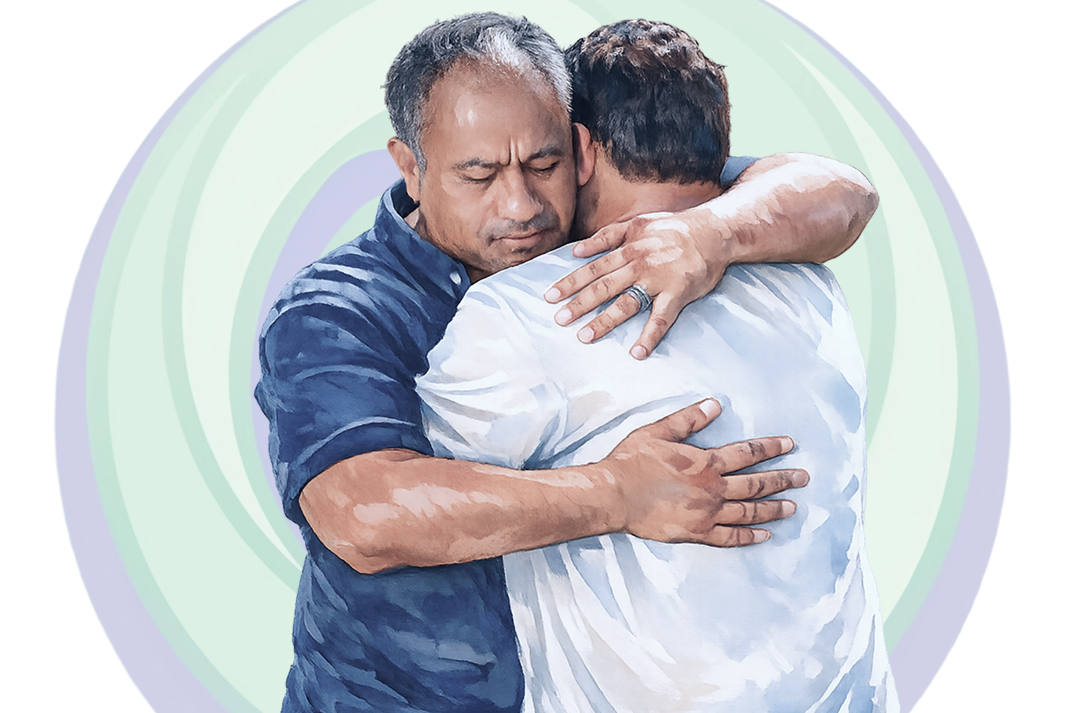
Some people may find significant value in joining a support group. Others might not feel comfortable in groups or may not want to connect with others bereaved by suicide. 

A bereaved by suicide peer support group can provide a safe environment to share your story of loss and what it means for you. It can also provide an opportunity to meet with others bereaved by suicide. Group members can share strategies to help and support one another.

NZ suicide bereavement support groups
The WAVES programme is another type of group support. It is an eight-week grief education programme developed in New Zealand for adults bereaved by suicide. Its purpose is to help people learn more about grief and suicide, find meaning in their experiences, learn to manage emotions, reduce stigma and feelings of isolation, and move towards recovery and adjustment after a suicide loss.

The focus of WAVES is growing through grief. WAVES programmes run at different times across Aotearoa New Zealand.
Grief is a natural reaction to significant loss. It may feel very painful and possibly overwhelming and intense at times. You may be feeling a lot or very few emotions. It may feel like life has suddenly turned upside down. Routines around sleeping, eating, and interacting with others may be affected. These are common reactions in grief. 

If you are supporting someone else and you’re concerned about their wellbeing, ask them directly what they need or if they’re feeling safe. 

How do you know when you or someone you’re supporting may need to see a health professional? This may be necessary if: 
  • Ongoing lack of sleep is beginning to cause problems
  • Ongoing lack of appetite is affecting the ability to eat and / or drink fluids
  • Grief reactions such as sadness, anger, or shock are overwhelming to the point where a person is finding it hard to function or get through each day
  • It feels as if it’s too difficult to handle things on your own 
You may also want extra support simply because you feel you need it. This is ok.

It is also ok to ask for help if you are feeling overwhelmed. This is a common reaction to shock and trauma. 

Visit your GP if you need to. If you don’t have a GP, you can register for one at your local health clinic or Hauora health centre.  

If it feels too difficult to do this on your own, ask someone you trust to help you. 

You may also like to consider counselling support. Your GP may be able to refer you to free counselling.
Looking after yourself is important. You may also be supporting others.  
  • We all grieve in our own way. Shock, loss and grief can present in many ways. Sometimes at the beginning it can be hard to find the words to describe what you feel, or you may feel numb, as though you have no feelings. This is okay too.
  • Give yourself time to grieve. Be kind to yourself, something big has happened and it may take some time for you to find a way forward.  
  • Let others give you a hand if it feels right. Ask for what you need. 
  • Find a support person. This could be a relative, whānau member, friend, community elder, or a counsellor (in person or anonymously through free phone counselling options). 
  • Stay connected: make time to be with others including family, whānau, friends and mates.  
  • If you’re spending time supporting others, make regular time to support yourself too. 
  • Take care of your health – eat well, do some gentle exercise like stretching or walking, get regular rest and sleep and avoid heavy use of alcohol. See your GP when you need to. 
  • Keep a notebook handy. Lots can be going on and it can often be hard to focus and remember things. Write all important and helpful information down – anything you might need to remember. 
  • Don’t let a day go by without looking after yourself, even in small ways. 
  • Find some quiet space. Slow down, relax, and breathe deeply. You may not want to do anything at all. Try not to be on your own for too long. 
  • Do things that you find comforting. Kōrero, talk, listen to music, read, write. Pray or meditate if you find it helpful. Perhaps talk to a spiritual leader - a priest, minister or tōhunga. 
  • Physical activity and active relaxing can help channel and express grief. This can provide distraction and time for healing – you might like to exercise, work out or play sport. Walk and talk with a friend. Work on a project or hobby. Make or create something. 
  • Encourage yourself. Set some time aside to do the things you enjoy, even if it feels difficult. Routines can help. 
  • Spend some time outside in the fresh air and sunlight.
  • Talk to others who have ‘been there’. When you’re ready, you may be open to talking with others who understand the grief and loss that follows a suicide death. You might like to join a support group. 
  • Free phone counselling options include free call or text 1737 to talk to a trained counsellor anytime. Find other options here.
Help is available. If you need it, reach out and find what support may be available for you or ask if someone can help you find the support you need. Call or text 1737 to help you find your local support options, GP, medical centre nurse, or local Citizens Advice Bureau.
The best way you can help someone bereaved by suicide is by listening, and:
  • keep in contact, be with them, and listen if they want to talk
  • accept their emotions and thoughts without judging them
  • try not to offer your opinions or advice unless they ask for them
  • respect their spiritual or cultural views
  • don't avoid the subject of suicide or what has happened
  • talk about the loved one who has died
  • be patient - working through grief takes time
  • if you think they may be suicidal, ask them - asking about suicide will not put the thought in their head. 
When someone you know has died by suicide, you might start thinking about suicide yourself. These thoughts might pass quickly, or you might have ongoing thoughts about wanting to be with the person who has died.

If you are thinking a lot about suicide it’s very important to tell someone you trust so that you can get the help you need to feel better.

If you can’t immediately find someone you know to talk to, there are always people who are contactable by phone and who are willing, able and available 24 hours to help you.

If you are in a serious crisis or you need urgent help:


Related content

Helplines

  • Need to talk? Free call or text 1737 any time for support from a trained counsellor.
  • Lifeline – 0800 543 354 (0800 LIFELINE) for counselling and support.
  • Depression Helpline – 0800 111 757 to talk to a trained counsellor about how you are feeling or to ask any questions.
  • Healthline – 0800 611 116 for advice from trained registered nurses.
  • Samaritans – 0800 726 666.
  • Youthline – 0800 376 633, free text 234 or email talk@youthline.co.nz. For young people, and their parents, whānau and friends.
  • What's Up – 0800 942 8787 – for 5–18-year-olds; Mon to Fri midday–11pm and weekends 3pm–11pm.

Helplines & support

Share this page

There is no health without mental health

Help ensure everyone in Aotearoa has the tools to enjoy positive mental health and wellbeing.

Was this page useful?

We use cookies to improve your experience, analyse site traffic, and personalise content. By clicking "Accept", you agree to our use of cookies.