
Stress
Learn about stress, signs to look for, tips to help you manage it, and how to find support.
About stress
Stress is a natural reaction that happens when you face pressure (real or perceived) and feel unable to cope or overwhelmed. It is your body’s physical, mental and emotional response to situations that feel demanding or bring pressure, challenges or changes - also called stressors.
Everyone experiences stress from time to time, and not all stress is bad. Stress can help you adjust to new situations, keep you focused and motivated or give you a burst of energy, like when you’re in an exam, making a speech or at a job interview.
If you can unwind and recover after the stressor has passed, there are usually no harmful effects. Stress becomes a problem when it doesn’t go away, or if it starts affecting your mental and physical health and your behaviour.
What causes stress
Stressors can be external and internal. External pressures might include:
- workplace challenges – workload, unsupportive leadership, bullying or harassment, redundancy
- health issues
- bereavement
- life changes - a new baby, moving house, retiring
- relationship issues
- conflicts with friends or whānau
- financial pressures
- school or study demands or expectations
- daily pressures – your commute, childcare, being time poor, household tasks, unexpected bills
- events in the wider world, such as global events, social conflict and severe weather.
Internal pressures might include:
- negative thoughts or emotions
- worry about a loved one
- unrealistic expectations
- fear of failure
- conflicts with beliefs and values.
Signs and symptoms of stress
Physical symptoms:
- shortness of breath or shallow breathing
- chest pain, increased heart rate, dizziness or palpitations
- high blood pressure
- digestive issues or stomach upsets
- headaches and body pains
- frequent colds, skin infections and rashes
- nervous twitches or muscle tension
- exhaustion or trouble sleeping.
Emotional symptoms:
- feeling anxious, fearful or overwhelmed
- memory or concentration challenges
- lack of motivation or focus
- anxiety or panic attacks
- sadness
- lack of joy and energy for life.
Behavioural symptoms:
- losing interest in whānau, work or study
- avoiding activities, hobbies or seeing friends
- increased drug, tobacco or alcohol use, gambling, or changes in eating habits
- feeling impatient, irritable or angry
- being unable to relax or unwind.
How to manage stress
Everyone responds to stress differently. If stress is affecting your daily life, there are things you can do to help.
Below are some tips to help reduce your stress, and feel calmer and more in control.
- Talking helps. Share your worries with someone you trust, like a friend, partner, whānau, manager or HR professional, counsellor or free helpline. Remember your feelings are real and valid.
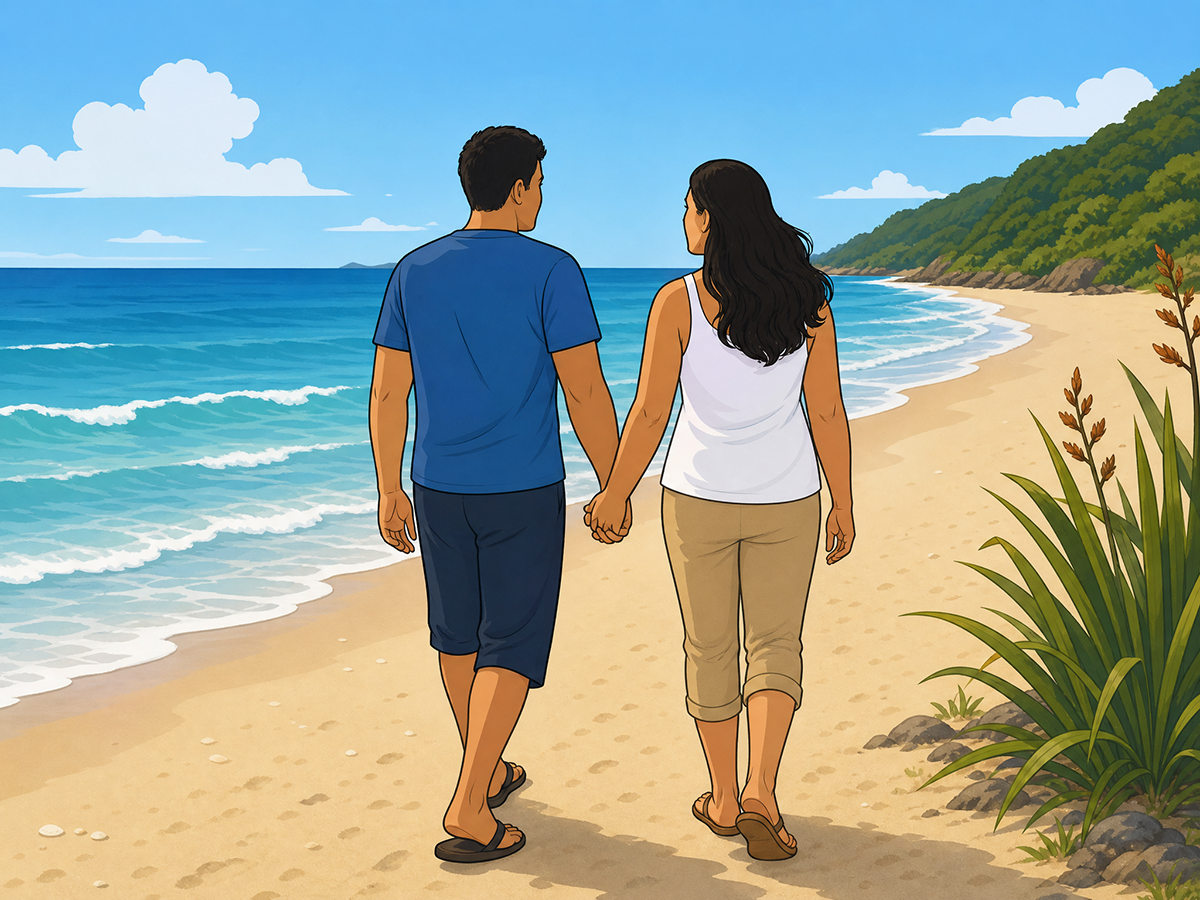
- Spend time with people you care about. Connecting with others can help you feel happier and more secure. You could go for a walk or drive, play sports or find a shared hobby or interest.
- Take time out for you. Read a book, do an activity or hobby, watch a movie, or sit outside with a hot drink. Even a short break helps.
- Practise relaxation and mindfulness techniques. Try yoga, meditation, mirimiri/massage or deep breathing exercises, or listen to music. Learn what works for you and practise it regularly.
- Try to be physically active every day. Walk, swim, dance, do waka ama, follow a fitness app, play a team sport – find a way to move your body that works for you. Exercising outdoors can be especially helpful.
- Build skills to help you manage stress. Find what you can control (no matter how small) and focus on that. Try to organise work or study habits, break down problems into manageable steps, practise time management, or challenge unhealthy thoughts.
- Aim to get a good sleep. If you’re having trouble sleeping, talk to your GP.
- Learn to appreciate and be kind to yourself. Identify what you do well. Acknowledge your positive qualities and characteristics. Talk to yourself as you would to a close friend.
- Eat a healthy, balanced diet. Try to reduce or avoid short-term stimulants like energy drinks or caffeine as these can increase nervous tension and disrupt sleep.
- Practise the Five Ways to Wellbeing. The Five Ways to Wellbeing are simple, proven actions that can make a real difference to your life. Practising these actions every day helps you feel more balanced and supports your wellbeing.
Where to find support
If your stress is ongoing or it is affecting your health and wellbeing, it’s important to talk to a general practitioner (GP), Māori health provider or counsellor, or contact a free helpline.
Other options like therapy and cultural support can help you manage your stress.
Therapy, such as talking therapies
Talking therapy can be very helpful because it provides a safe, supportive space to explore what’s happening and find strategies and tools to help you manage stress. Your doctor will explain what is available locally and which type of talking therapy is most suitable for you.
Complementary therapies
Complementary therapy refers to therapies and treatments that differ from conventional western medicine, but can be used to complement and support it. Complementary therapies like mindfulness, hypnotherapy, yoga, exercise, relaxation, mirimiri/massage and aromatherapy can help to lift your wellbeing during tough times.
Cultural supports
For some people, it can be helpful to access cultural support.
Support may be available through your local iwi – reaching out to your marae or kaumatua can be a helpful way of finding extra support when you’re experiencing tough times. For those from Pasifika, Asian or other cultures your GP should be able to assist you with finding cultural support.
Resources & Links
Disclaimer
The information on this website is not a substitute for proper diagnosis, treatment or the provision of advice by an appropriate health professional. If you are seeking diagnosis or treatment, you should consult a GP or mental health professional.
Helplines

Resources

Share this page
There is no health without mental health
Help ensure everyone in Aotearoa has the tools to enjoy positive mental health and wellbeing.
Did you find this article useful?