A kōrero with Dr Sarb Johal - On dealing with climate anxiety and finding a sense of calm again
In light of the recent floods and natural disasters affecting parts of Aotearoa in 2026, we’re resharing this kōrero with Dr Sarb Johal. Although first published after Cyclone Gabrielle, the advice remains deeply relevant today.
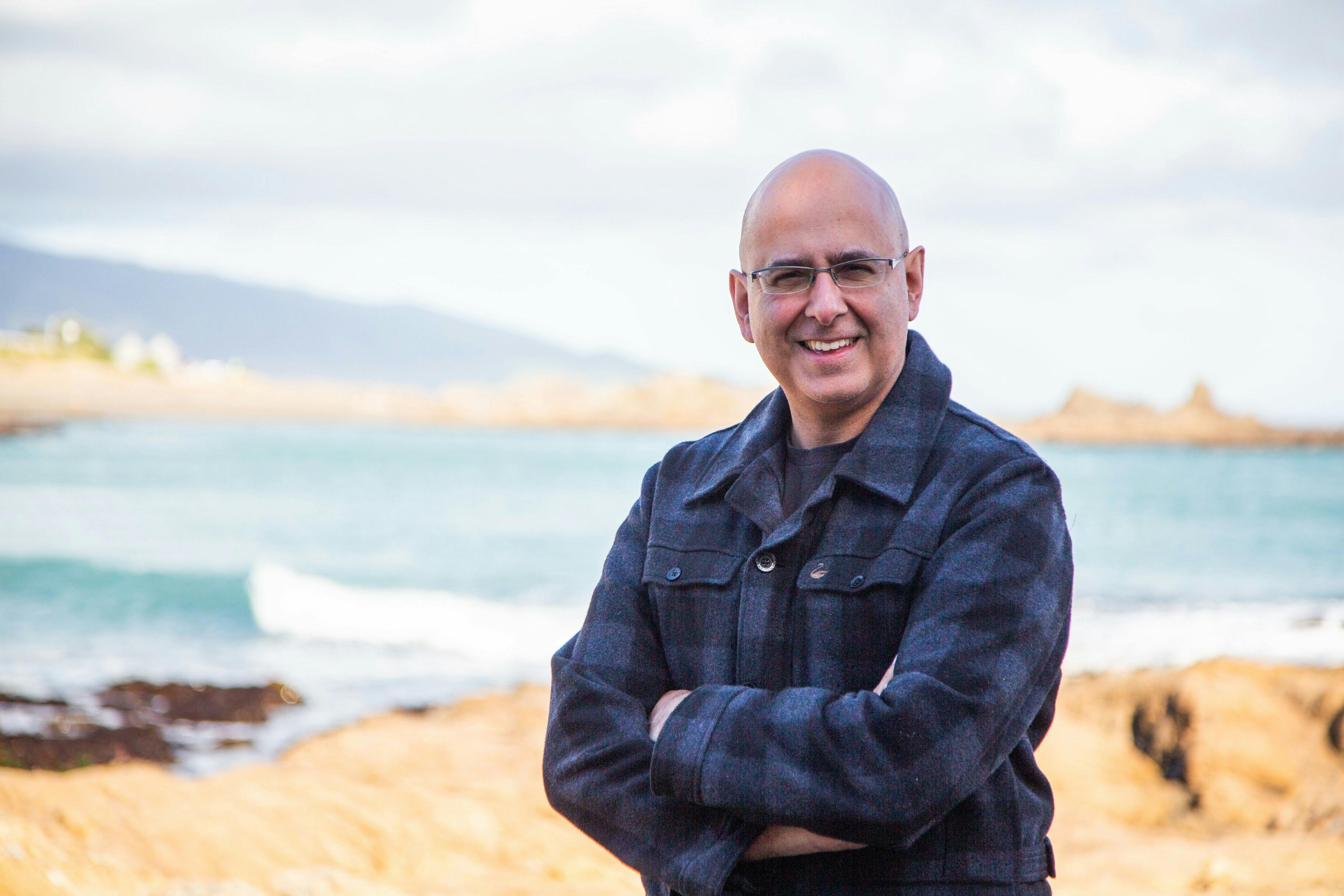
Dr Sarb Johal is a clinical psychologist with over 30 years of experience under his belt. A specialist in disaster management and emergency psychology, Dr Sarb has advised the UK and New Zealand governments and the World Health Organisation through some of the major public health crises of this century.
With communities around Aotearoa still reeling from the devastating Cyclone Gabrielle and other severe weather events, we couldn’t think of anyone better for a kōrero about how we can look after ourselves and our loved ones as we tackle this challenging period ahead.
These severe weather events have brought to the forefront a conversation about climate change and heightened climate or eco anxiety for many. What would you say to people grappling with these feelings?
Dr Sarb: My main piece of advice is to take some practical steps to deal with your anxiety and stave off feelings of powerlessness.
Here are some suggestions from the Australian Red Cross:
- Recognise
Firstly, it’s key to recognise that climate change is causing stress and anxiety. This helps normalise our feelings and reassures us it’s a normal reaction to an uncertain situation. - Limit
Limit exposure to climate-related content. Get what you need to know from the news, then take a break. Rest your brain. We can become cognitively overloaded, and this is no use to us. - Practise
Practise self-care: healthy eating, exercise, positive connections, and pleasurable activities are key ingredients for looking after your wellbeing. - Connect
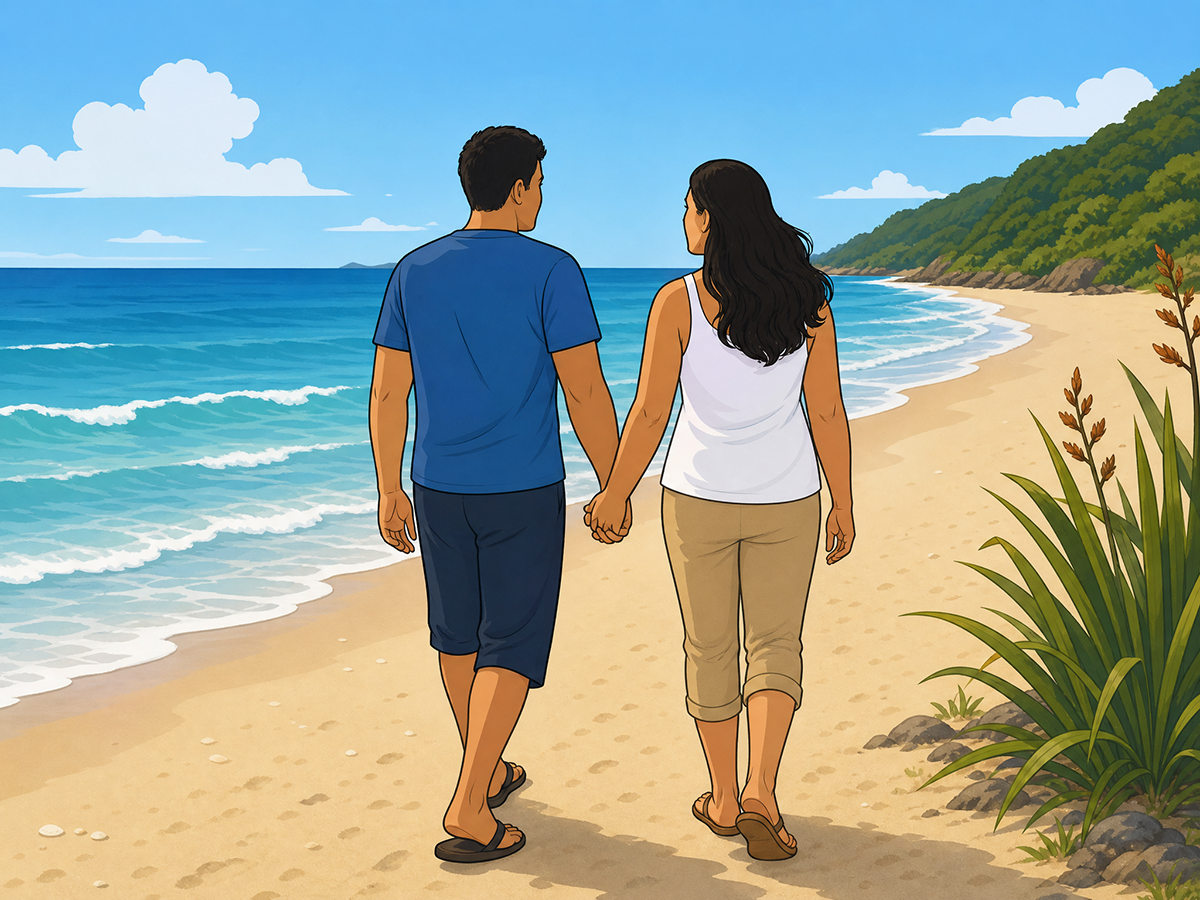
Get into nature – it's restorative for our bodies and minds. Get your fill of green (park/forest) or blue (sea/sky). We can do this even in big cities – use parks or backyards, lie down and look at the sky, admire the wonderful different shapes of clouds. - Act
Get involved and take action. This helps us overcome the sense of ‘it’s too big and I can’t do anything about it’. People who took part in a climate change adaptation program we ran in Adelaide reported that joining the group and taking action helped them feel in control. Joining groups helps set collective actions and talk about what is going on (and is generally a good thing to do for your wellbeing, anyway). - Reduce
There are many adjustments you can take to reduce your environmental footprint, from heating to diet and transport. They can be small steps, because as Lao Tzu said, the journey of a thousand miles begins with a single step. - Talk
Talk to your local councillors and politicians about climate change so they know it’s an issue you care about. - Find hope
Cultivate active hope. By taking action, you not only reduce your anxieties, but you also make a positive contribution to fixing the problem.
Many New Zealanders will be feeling anxious, scared, or stressed every time it starts to rain again, or if there’s a new severe weather warning or watch. How can we find calm and reassurance again when this happens?
Dr Sarb: For people who have been affected by a natural disaster, this is a common experience. Research shows that people who have affected by flooding experienced anxiety during heavy rain, even years after the event.
Dr Sarb: For people who have been affected by a natural disaster, this is a common experience. Research shows that people who have affected by flooding experienced anxiety during heavy rain, even years after the event.
For the longer term, we should be thinking about increasing mental health and wellbeing resources to affected areas.
“But for those experiencing anxiety now, I hope that just being aware of the toll a natural disaster can take on our wellbeing will encourage them to come forward for help. It’s important that people do not think they have to go through this on their own.”
In the meantime, prepare ‘go’ bags, make sure you have copies of photo albums and important documents, and take time to understand how you can influence and adapt to your situation; not just by yourself, but by coming together with others.
And finally, are there any other tips or insights you’d like to share with us here?
Dr Sarb: Build trust by continuing conversations about what happened and what happens next. Try to make things as predictable as possible in these uncertain circumstances – building a sense of agency and control helps us fend off a feeling of powerlessness.
It’s essential we keep up hope.
See also Part 1 of this interview 'A kōrero with Dr Sarb Johal, part 1: Dealing with uncertainty, survivor’s guilt, and all sorts of emotions'
Share this page
There is no health without mental health
Help ensure everyone in Aotearoa has the tools to enjoy positive mental health and wellbeing.