Skip to main content Skip to footer

A guide to starting physical movement

Physical movement can be an uplifting experience – it releases endorphins which can lift our mood, and it can increase our sense of achievement and confidence. It also offers us opportunities to connect with friends and whānau. A study conducted by Sport New Zealand showed that people who do at least 2.5 hours of recreational physical activity in a week were 51% more likely to report good mental wellbeing. People also tended to feel more content and calm after exercise – especially if their mood was anxious or low to start with.

Please remember

If you are living with an eating disorder, you should consult with your GP or specialist before making any significant changes to your movement routine.  

If you are on any medication relating to a mental health issue, please chat to your GP about any possible risks or side effects associated with exercise.  
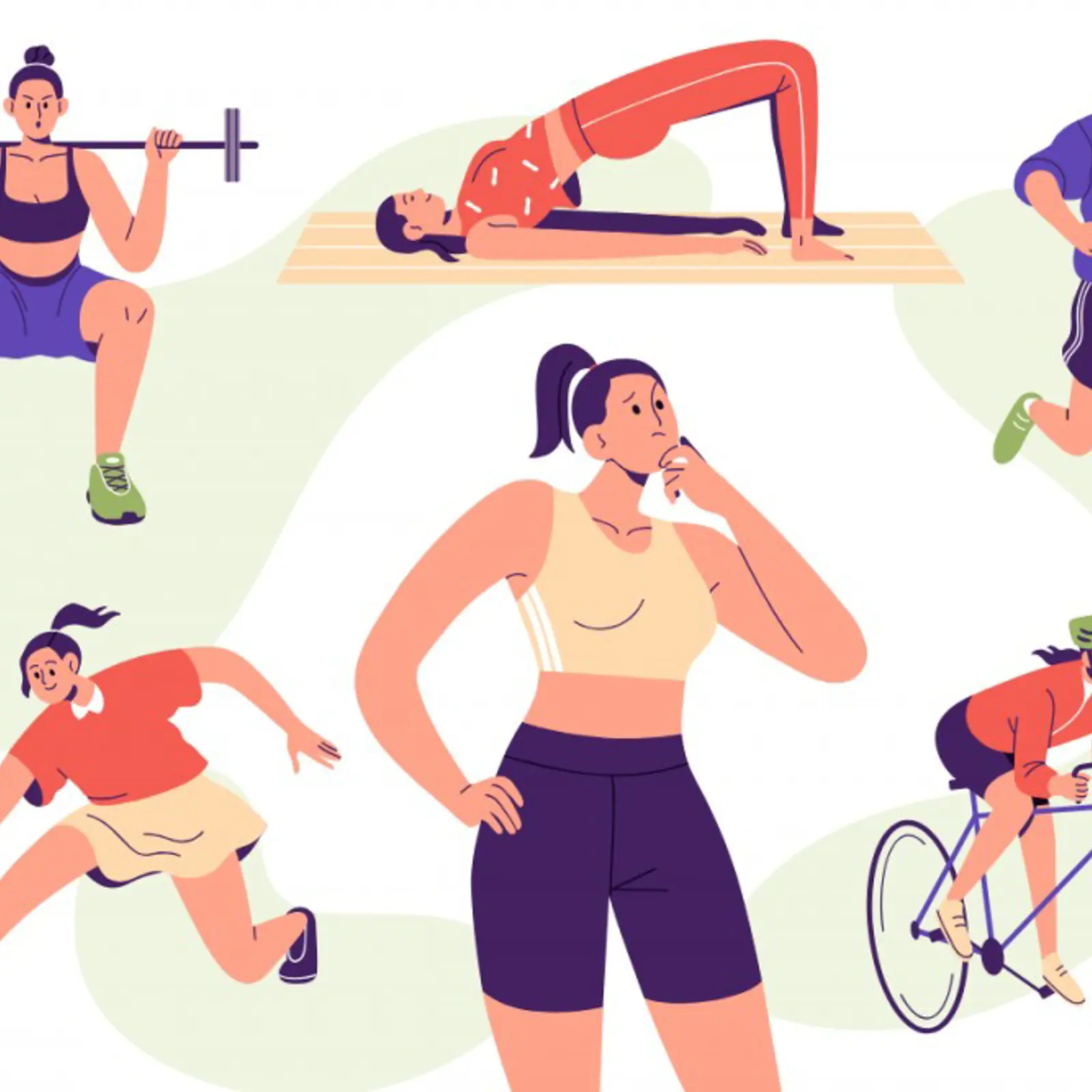
If you’re feeling intimidated by the idea of starting physical movement, here are some things to keep in mind: 
  • You’re not starting from scratch! Any bit of movement you’ve been doing in daily life helps – like vacuuming or carrying in bags of groceries.  
  • Physical movement can look different for each person, particularly if you are physically disabled. You can find options for adapted movements online or check out Active Canterbury’s recommendations.
  • Movement can be fun! You might move by dancing with friends or swimming in the sea or joining a kapa haka group.  
  • Being ‘unfit’ or inactive is nothing to be ashamed of. There are many reasons why we might not have a good relationship with physical movement. Try to focus on the excitement of trying out something new. 
  • Physical movement is just one part of looking after our tinana (body). Rest is just as important. You don’t have to exercise to exhaustion to enjoy the benefits of moving your body.  

“We learnt a lot of things about each other, and I appreciated being out in the fresh air and being back in the real world again.”

- John Preston (on the benefits of taking part in a ‘Move for Mental Health’ challenge)

Where to start

If you’ve had little experience with physical movement, it’s best to start slow and simple. You could do some stretching in front of the TV, walk around your house, or dance along to some music.

Think about what types of physical movement you feel most drawn to. Maybe you’re a team sports person, or prefer doing a workout at home with an online video.  Focus on what could be fun and achievable for you, rather than something you think you’re supposed to be doing.

Looking up activities in your local area could give you some motivation to start! Finding a community of people who are also on a physical movement journey can go a long way in keeping you on track.

It can be motivating to have a particular goal in mind when we’re starting a new habit. Make your goal something that feels realistic for you; it could be something like doing 5 minutes of movement a day. Read our guide to setting wellbeing goals for more advice.

You can take things slowly. When you feel comfortable with your progress, you might increase your goal from 5 minutes of movement a day to 8 minutes. Or, you might change your goal entirely!

Along your journey with physical movement, try to keep paying attention to how you feel physically and mentally. What’s working for you? Do you want to try something different? Respecting your body’s needs by resting, drinking water, and eating well are all a vital part of enjoying physical movement.  Notice how your body and mind feel while you’re exercising, too.

Make movement fun

  • Try a new sport with a community group
  • Take a whānau walk in the evening or weekend 
  • Go on a walking tour 
  • Do a fun run/walk for charity
  • Swim in the sea, river or a local pool 
  • Give gardening a go – Sport NZ research shows that meeting your exercise recommendations through gardening increases your chances of experiencing good mental wellbeing by 25% 
  • Join a kapa haka group – physical movement that also connects you to community has double the benefit for your wellbeing.  
  • It’s okay if you find it hard to spend time outside – you can be active at home by finding workout videos online, or just walking or stretching indoors.

Tip: If you experience anxiety or panic attacks, some physical sensations of exercise (such as a rapid heartbeat) might feel familiar and even a bit frightening. Take things very slowly. You could start with something more low-impact, like yoga or walking, and build up from there.  


What to aim for

The ultimate goal of  physical movement is to help you feel better, physically and mentally. What that looks like will be different for everyone. At the same time, we know from local research that there is an ideal amount of exercise for most of us. Manatū Hauora (Ministry of Health) recommends 2.5 hours of moderate activity a week or 1.25 hours of vigorous activity a week. If you can, this exercise should be a mixture of strength and cardio movement.  

Moderate activity is usually something you can do while comfortably holding a conversation. That could include brisk walking, gardening, or kapa haka. Vigorous activity is more intense; it could include running, playing rugby, boxing, dancing, or lifting heavy weights.  

For more detailed advice, you can download the Ministry of Health resource Be active every day: Physical activity for adults. 

Research

Share this page

There is no health without mental health

Help ensure everyone in Aotearoa has the tools to enjoy positive mental health and wellbeing.

Did you find this article useful?

We use cookies to improve your experience, analyse site traffic, and personalise content. By clicking "Accept", you agree to our use of cookies.