“Taking my power back”: Why Mia is running for mental health
When Mia Simcock signed up for the Auckland half marathon, she was looking for a challenge.
“I’ve done a couple of 10km runs, but I’ve never done a half marathon, so I wanted to see what I’m capable of,” she says.
But for Mia, marathon training is about more than reaching the finish line. She’s also using the opportunity to raise funds for the Mental Health Foundation and help reduce the stigma surrounding mental health challenges.
“No one should ever feel ashamed to say that they’re not okay mentally,” says Mia. “Having a mental health condition myself means I live with an illness that isn’t physically visible, but I still need to manage it every day. And there are so many people living with things that other people can’t see.”
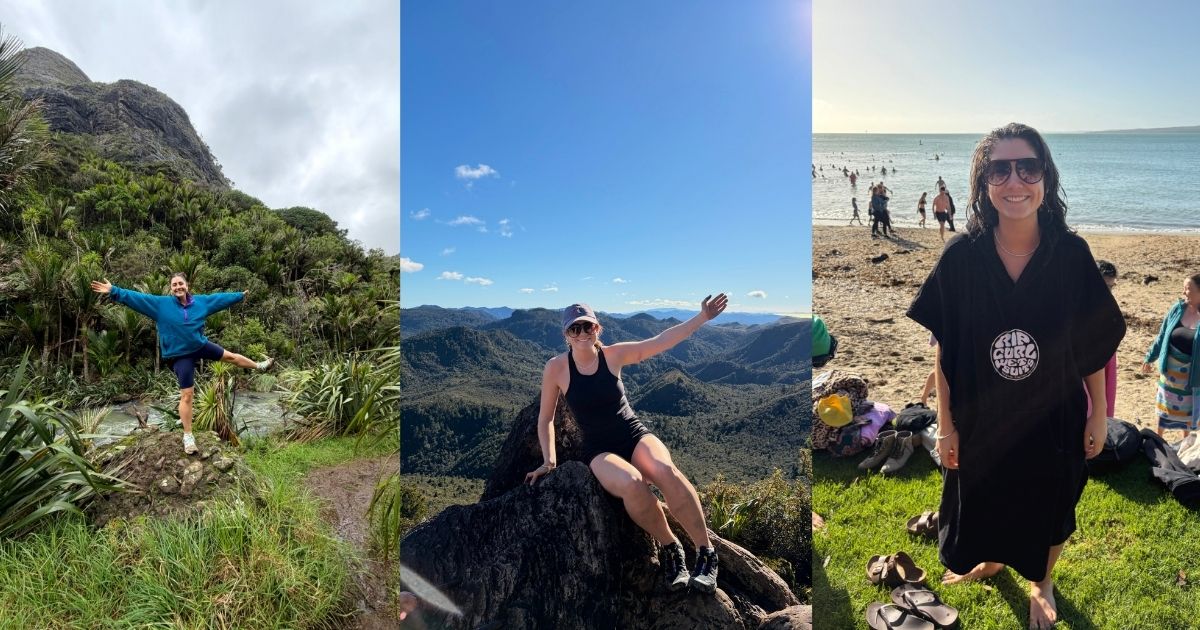
Mia’s mental health journey and diagnosis
For Mia, speaking openly about mental health is deeply personal.
In 2021, while studying at the University of Otago, she became unwell and experienced a period of psychosis.
“It was the scariest thing I’ve ever been through. Being completely out of touch with reality was terrifying, and it was a very dark time in my life,” she says.
“I became extremely low, but even at my lowest points, there was always some tiny part of me that had the strength to keep going. Deep down, I’ve always had the mindset that I’ll do anything in my power to feel better than I’m feeling in that moment.”
With support from family, friends and the Early Intervention Service, Mia gradually recovered and returned to university, where she completed her Bachelor of Arts.
At the time, clinicians treated the episode as a one-off. But a few years later, after moving to Canada for a ski season and coming off her medication, she experienced another period of psychosis. Mia returned home to New Zealand where she was subsequently diagnosed with bipolar disorder.
“At first, my diagnosis was a lot to process. I was scared of being put in a box or having people see me differently. There are so many misconceptions around bipolar disorder and psychosis,” says Mia.
But today, she has a very different perspective.
“I’ve taken that power back. I’m not ashamed of my diagnosis. It means I have a lifelong condition that I need to manage, but it doesn’t define who I am or what I’m capable of.”
Speaking up to reduce discrimination

Mia hopes sharing her journey encourages others to be more open about their own struggles, and more understanding of what others may be carrying.
“There’s this idea that being open and saying you’re not okay is a weakness, when in reality, being able to say ‘I’m not okay’ is one of the strongest things you can do.”
“If sharing my experience helps even one person feel less alone, or encourages someone to be a little less judgmental towards others, then I think that’s how stigma starts to shift.”
Since sharing her story through her marathon fundraising, Mia has been struck by how many people have reached out with their own experiences.
“I’ve had so many people reach out and share their own experiences with me,” she says. “It’s been refreshing to realise how many people can relate. Everyone is going through their own challenges in some way, even if you’d never know it from the outside.”
Finding strength through running
Training for the marathon has also become an important part of Mia’s wellbeing.
“Before I started running, I never really understood people who said running was great for your mental health. Now I’ll never look back,” she says.
“Running has become a form of therapy for me. You get into that flow state where you can make sense of everything going on in your brain while you’re running, and I find that incredibly therapeutic. It’s a total outlet for me.”
She says exercise has become an essential part of her toolkit for staying mentally well, helping her clear her mind, sleep better and manage everyday challenges.
Looking ahead to the big day
As marathon day approaches, Mia is looking forward to what crossing the finish line will represent.
“With the tough times I’ve been through, I’ve learned so much about myself, and getting to that finish line will be another symbol of how far I’ve come and what I’m capable of.
“It’ll be a significant reminder that this is just the beginning for me. There’s so much I want to achieve in my life, and this is another step towards the person I’m becoming.”
For anyone struggling with their mental health, Mia wants them to remember that difficult times do pass.
“Life isn’t linear. Having a tough time doesn’t mean you’re going backwards – there will always be ebbs and flows. Sometimes you have to take things one day at a time and focus on getting through what’s in front of you. A bad day, week, month or even year doesn’t mean things won’t get better. It’s just one part of your story. It doesn’t define the rest of it.”
The funds raised by Mia will help the Mental Health Foundation of NZ to create and distribute vital resources and advocate for a better mental health system.
Show your support for Mia: Donate here.
Inspired to run the Auckland marathon yourself? Sign up here.
Resources


Related information

Share this page
There is no health without mental health
Help ensure everyone in Aotearoa has the tools to enjoy positive mental health and wellbeing.