
- Provide support to communities experiencing suicide risk and/or suicide bereavement
- Build inclusive communities and strengthen community resilience
- Encourage a focus on mental wellbeing
- Connect people and whānau to available support services
Suicide Prevention Fund Info
The All-of-Population Suicide Prevention Community Fund backs projects that strengthen collective wellbeing and help people through their toughest moments.
Got an idea to reduce suicide risk in your community, strengthen wellbeing, or provide support if a suicide happens? The All-of-Population Suicide Prevention Community Fund might be exactly what you’re looking for.
The All-of-Population Suicide Prevention Community Fund is guided by Every Life Matters – He Tapu te Oranga o ia Tangata and contributes to the shared vision of reducing suicide and improving wellbeing for all people in Aotearoa New Zealand.
Funding of $40,000 to $100,000 per project is available to help transform your idea into real, long-lasting impact.
Who is the fund for?
The Fund is open to all communities, because community is one of our most powerful tools for preventing suicide. We're supporting initiatives that help prevent suicide, reduce distress, and respond effectively when suicide occurs. Special focus is placed on communities that may experience increased suicide risk, including:
- Māori
- Pasifika
- Maternal communities (including perinatal and postnatal mothers)
- Men (particularly those experiencing social isolation, financial stress, or reluctance to seek support)
- Youth and rangatahi (10–24 years)
- Rainbow/LGBTQIA+ communities
- Rural communities
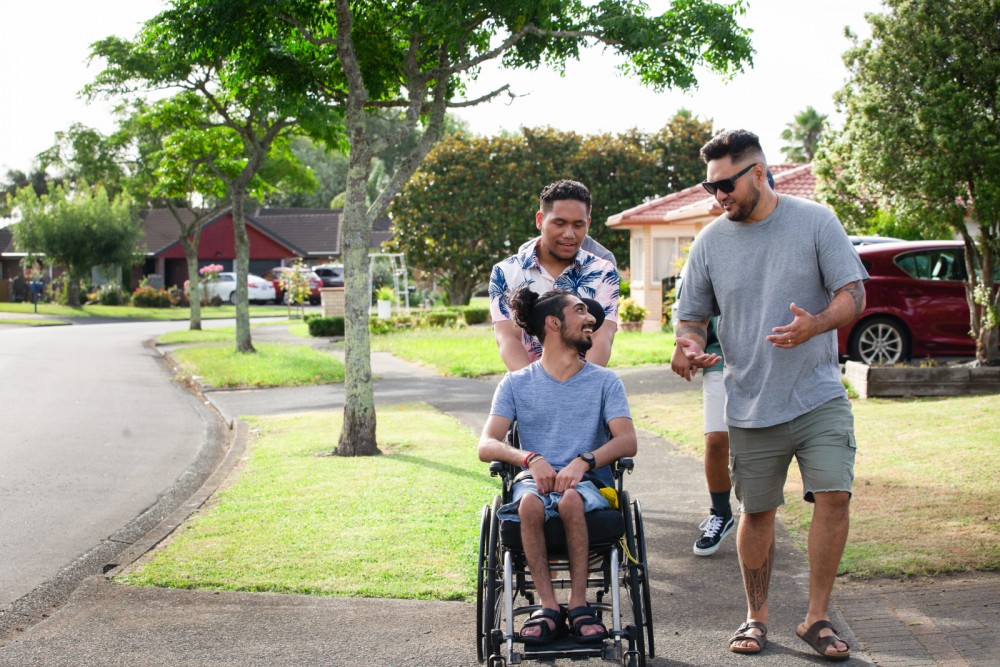
We also welcome applications from other communities at increased suicide risk, where the need is clearly identified and supported by available data (for example, cultural communities or people living with disabilities).
Projects should support at least one priority population group and be guided by the voices, needs, and lived experience of the people they serve.
Across all priority groups, we value culturally responsive approaches and ask applicants to clearly outline how these will be embedded in their work.
What the fund supports?
The Fund supports community-led projects that:
Who can apply?
We welcome applications from:
- Community-led organisations, non-profits, and charitable trusts
- Informal community groups or collectives
- Iwi, hāpū, marae
- Faith-based groups
- Schools, clubs, and community networks
- Individuals, where the initiative is community-led
Great amount and timeframes
Grant size: $40,000 – $100,000
Total funding pool: $1.5 million for the 2026/2027 round
Projects must be delivered within the agreed timeframe and budget. Funding will be provided in phases to support monitoring and minimise financial risk.
Grant selection criteria
Applications will be assessed against the following criteria:
Alignment with outcomes frameworks
Including alignment with Every Life Matters – He Tapu te Oranga o ia Tangata and at least one objective of the Suicide Prevention Action Plan 2025–2029:
1. Improve access to suicide prevention and postvention supports
2. Grow a capable and confident suicide prevention and postvention workforce
3. Strengthen the focus on prevention and early intervention
4. Improve the effectiveness of suicide prevention and our understanding of suicide
Community need and responsiveness
Projects must clearly demonstrate they are shaped by community needs, aspirations, and cultural contexts.
Community-led design
Initiatives are designed and delivered by and/or with people from the priority population group(s), including voices of lived experience where appropriate.
Impact and sustainability
Projects should demonstrate potential for lasting benefit and reflect best practice approaches – such as whānau-centred, trauma-informed, culturally grounded, and community-led models.
Feasibility and resilience
Applicants must show the project can be delivered within time and budget and outline strategies to manage potential risks or barriers.
Commitment to requirements
Successful applicants must agree to reporting, evaluation, and promotional requirements, scaled to the size of the grant.
What we cannot fund
Applications will not be eligible if they include:
- General operating costs such as ongoing salaries or wages (Project-related administration and overheads are eligible but capped at 20% of total project costs)
- Personal or capital items such as cars, computers, or tablets
- Activities already funded elsewhere, including Māori or Pasifika Suicide Prevention Community Funds (current or past).
- New initiatives within previously funded projects may be considered if they demonstrate sustainable community benefit.
- Study costs or service delivery costs
- Existing suicide prevention/response courses, or mental health first aid courses
- Projects delivered outside Aotearoa New Zealand
- One-off events, unless a clear and lasting impact is demonstrated
Reporting and evaluation
All funded projects are required to:
- Provide progress and outcome reports (scaled to grant size)
- Submit a detailed budget and report on actual expenditure
- Complete a final accountability report
- Participate in evaluation or quality assurance processes as required
The All-of-Population Suicide Prevention Community Fund team will visit or review projects throughout the year, as a way to support learning, accountability, and ongoing improvement. You will also be connected with a mentor to assist you with best practice suicide prevention approaches and provide guidance and troubleshooting throughout your project.
Key dates
- Applications open: 10 February 2026
- Applications close: 17 March 2026
- Outcomes announced: 4 May 2026
- Contracting process begins: 11 May 2026
- In-person hui for successful applicants: 20 May 2026
- Projects to start by: End of May 2026
- Projects completed by: End of May 2027
Want to find out more? Watch our webinars
We hosted 2 webinars on the 17 February and 19 February. We walked through the Fund, explained what we’re looking for, and answered your questions live. Watch the webinar recordings below.
17 February webinar
February 19 webinar
Stay in the loop
Join our mailing list.
Share this page
There is no health without mental health
Help ensure everyone in Aotearoa has the tools to enjoy positive mental health and wellbeing.

Was this page useful?