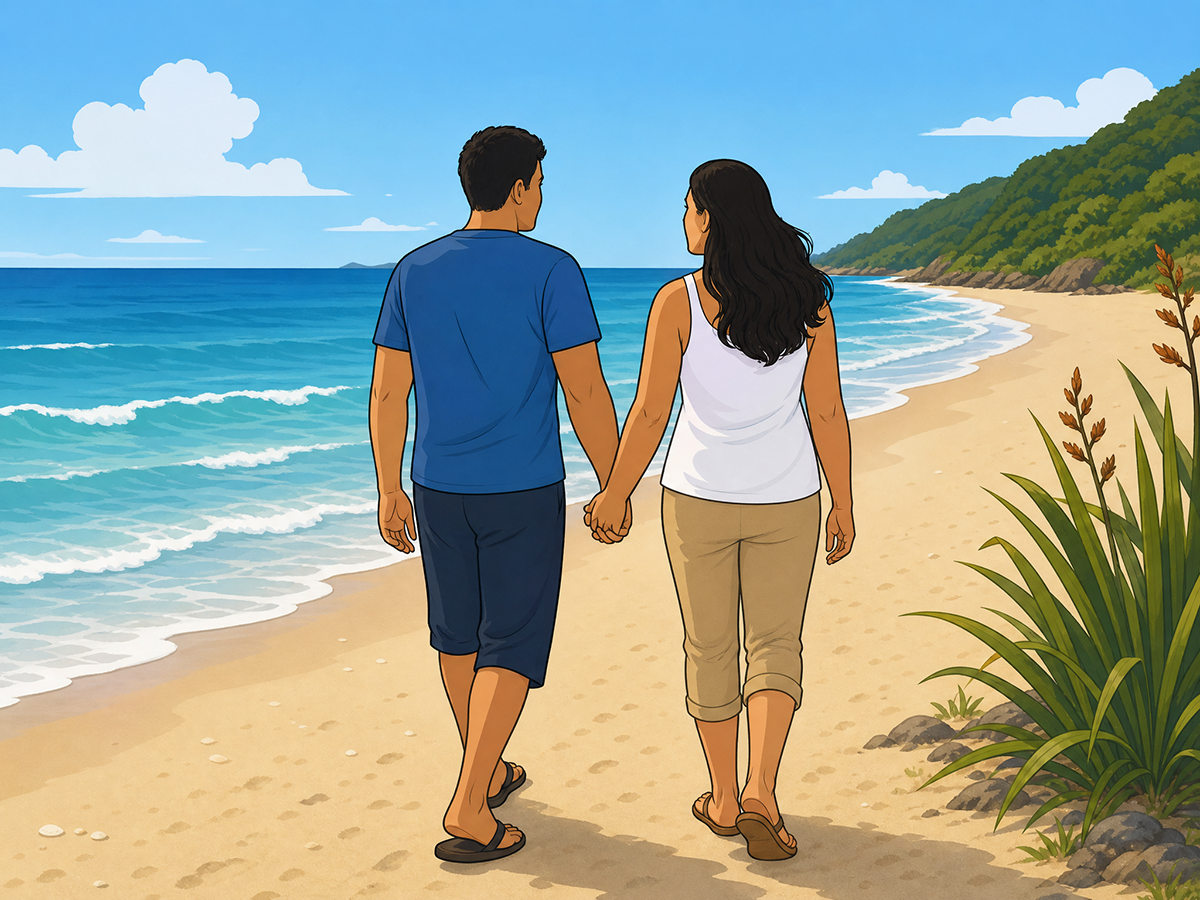
Māori understand mental health is part of the holistic wellbeing of a person and the world that they live in. Mental health and mental illness are related to the physical health of the person, the health of the relationships they have with those around them, their spiritual health and even the health of the natural environment they live within. This differs from Western clinical approaches where mental health is often looked at on its own.
Both Māori approaches and clinical approaches to mental health can work together in many cases to support someone’s wellbeing. It is really important, however, that we understand what makes Māori approaches unique.
Māori approaches to mental health include things like cultural identity, whakapapa (genealogy), wairuatanga (spirituality) and mauri (life force). Health models like Te Whare Tapa Whā help us to understand Māori approaches to health. Treatment might include whānau in the process, with the use of things like pūrākau (traditional stories), karakia (prayer or incantation) and rongoā (traditional healing methods).
Below are introductions to some of the key Te Ao Māori mental health and wellbeing concepts. We encourage you to explore these concepts more in your own life, to get a sense of the deeper meanings they have and how they might work for you, your whānau and those you support.
- Ask your own whānau, friends or even work colleagues what they might know about these concepts
- Check out your local library for books about Māori health and wellbeing
- Look online for any other resources, such as documentaries
- Have a look at what mental health, health or social services are in your area – they may be able to provide more culturally appropriate support for you or your whānau