


 Download PDF
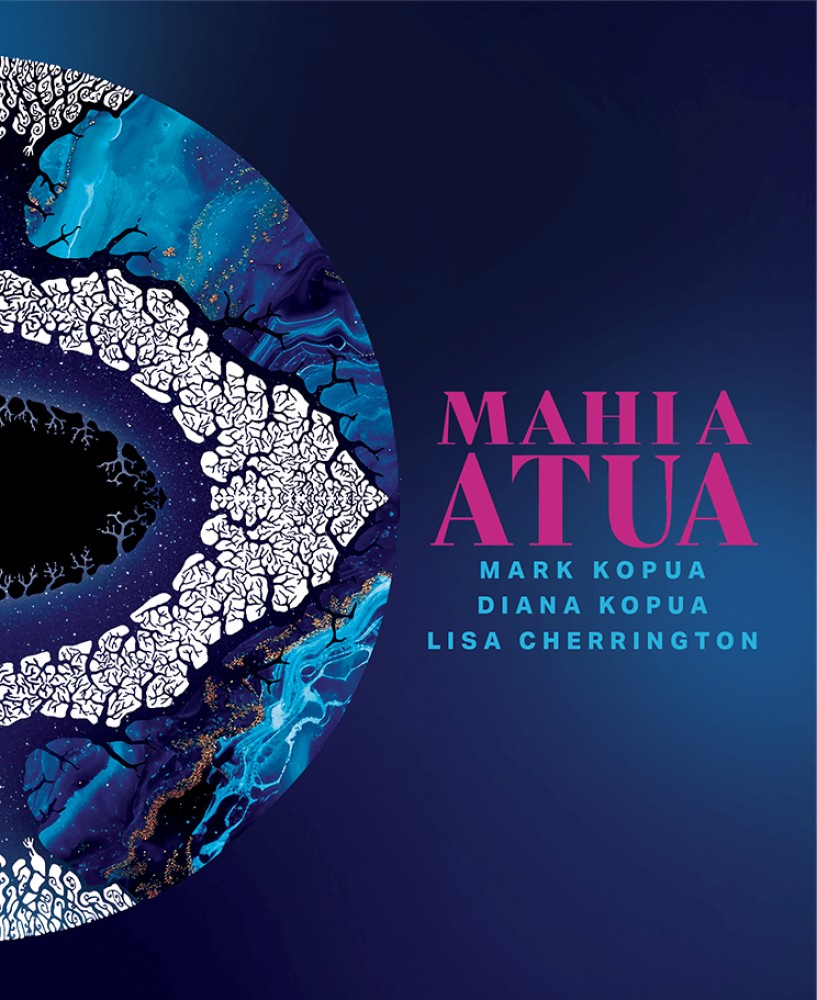
Mahi a Atua offers a storytelling framework that centres wellbeing through pūrākau and mātauranga Māori. The book weaves real-life experiences of tangata whaiora alongside Atua Māori narratives, showing these experiences are not new or isolated. Readers are drawn into pūrākau that provide deeper context and understanding, before being guided through reflections connecting ancestral knowledge with contemporary wellbeing.
The writing style feels informal and personal, much like a wānanga, making the content accessible while still holding depth and integrity. One strong takeaway for me was how the book frames indigenising our spaces as relational, almost like a marriage. It speaks to the ongoing reconnection with Te Ao Māori and how this requires intention, alignment, and shared values.
I appreciated how each section asks reflective questions, encouraging readers to apply what they are learning to their lives and practice. The pūrākau reinforce that frameworks, unless created by Māori for Māori, often do not scratch the surface of the care needed to ensure the safety of tangata whaiora. What resonated deeply was the way Atua Māori are explored to reflect emotional states and lived experiences. The book notes that looking at the different roles and characteristics of the atua confirms our earliest ancestors also struggled. This felt powerful, reminding us that struggle is not new, and neither is resilience.
Chapter 4, Uru te ngāngara, stood out as representing a forgotten voice that needs to be reactivated. For me, this connected strongly to lived experience movements and the importance of creating space for voices that have been historically marginalised or silenced.
There were also meaningful reflections on whānau. When families utilise mātauranga Māori through pūrākau, they become unified and their values align - their spirits are dancing. The book also highlights the tension parents face when navigating systems of care that do not reflect who they are or what they value, reinforcing how disconnection from culture can create harm.
While the cultural foundations are central, the book still offers learnings about empathy, understanding, and becoming a better person. However, it is the cultural grounding that makes this framework truly effective for Māori. Rather than framing mental health challenges as individual deficits, it situates experiences within whakapapa, environment, and relationships. Wellbeing is presented as collective and relational, offering insight for those working alongside tangata whaiora across clinical, community, kaupapa Māori, and lived experience spaces.
This book is relevant across sectors. We co-exist in a diverse and colourful country, yet systems of care too often prioritise westernised frameworks that do not reflect Māori needs. Mahi a Atua offers an alternative approach that centres mātauranga Māori, collective wellbeing, and lived experience. It would be particularly valuable for practitioners, organisations, and whānau working alongside Māori in ways that honour cultural knowledge and lived experience. The framework shifts away from deficit-based models and towards approaches grounded in identity, belonging, and relational care. It is especially relevant for mental health, public health, education, and community settings including initiatives such as Nōku te Ao, where lived experience and cultural connection are foundational.
Ultimately, this book reinforces that understanding how things work for Māori, and honouring the necessary cultural supports, remains one of the most effective ways to promote wellbeing and safety for tangata whaiora.
Review by Nakisha Tau, Project Coordinator - Nōku te Ao Social Movement, MHF
Disclaimer: Please note these reviews are not intended as endorsements or recommendations from the Mental Health Foundation. This feature introduces resources that may be useful for individuals with an interest in mental health and wellbeing topics.