Finding Belonging Through Coaching
Scott and Sue Narbey share how coaching community sport creates a sense of belonging.
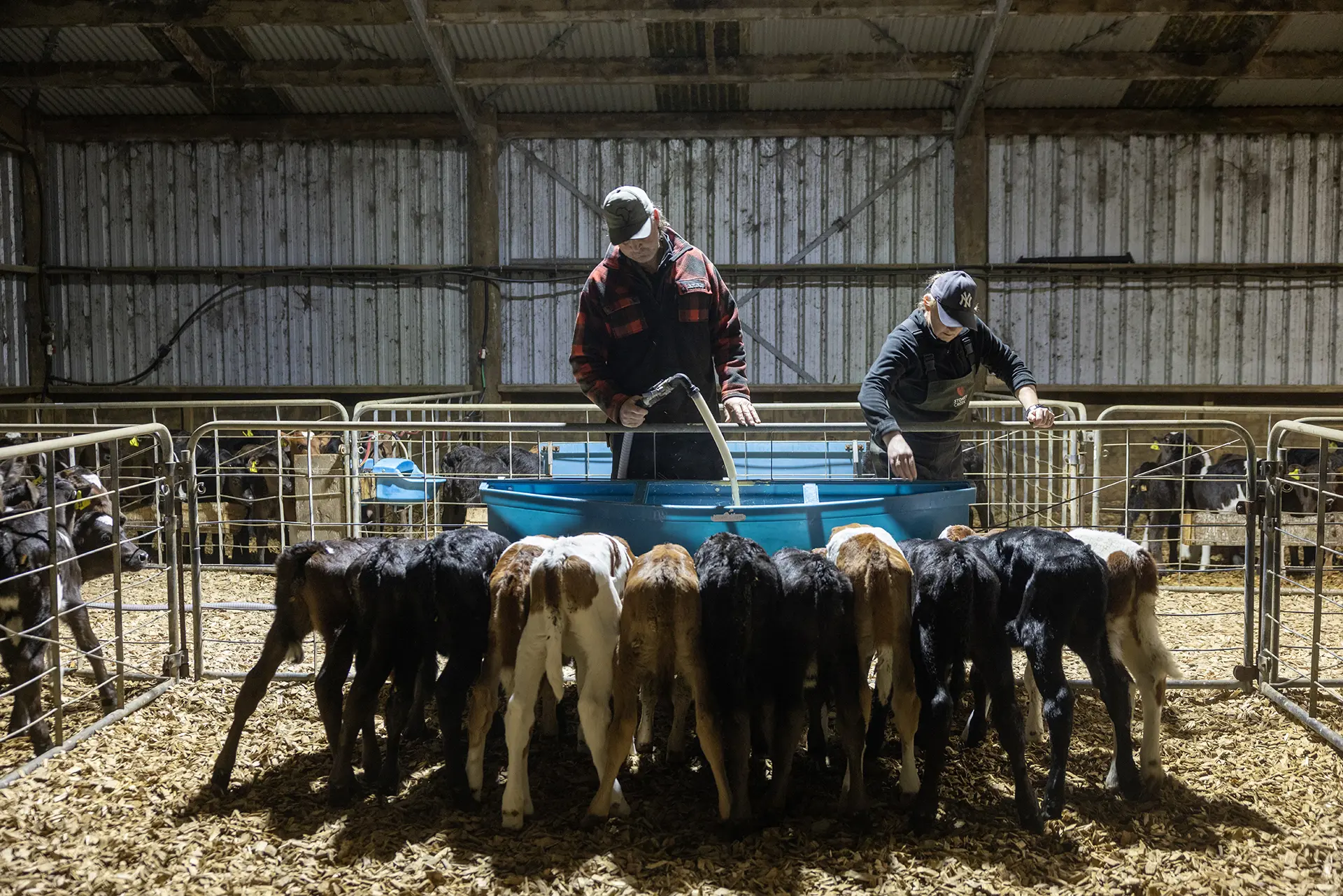
Like many farming families across Aotearoa, Scott and Sue Narbey lead busy lives. Their days often begin before sunrise, milking cows, getting the kids ready for school, and heading off to work. Sue spends her days at her physiotherapy practice, while Scott remains on the farm. After-school everyone’s rhythm adjusts as sports and community commitments take over.
For many farmers, the work is constant, the days often look the same, and there’s rarely a clear line between work and home. For Sue and Scott community commitments offer more than just another task on the calendar. They’re a reason to step off the farm and feel part of something beyond their daily routine.
“Farming can feel like Groundhog Day. Sometimes having things we have to get off the farm to do is really helpful.” - Sue
For so many people, not only farmers, finding time to step away from work and connect with others isn't always easy. But it is essential for our wellbeing. A strong sense of belonging is linked to greater confidence, resilience, life satisfaction, and a reduced likelihood of experiencing mental distress.
For Scott and Sue, one of the ways they nurture that sense of belonging is through their local sports clubs, particularly tennis and rugby.

Sharing space on the pitch
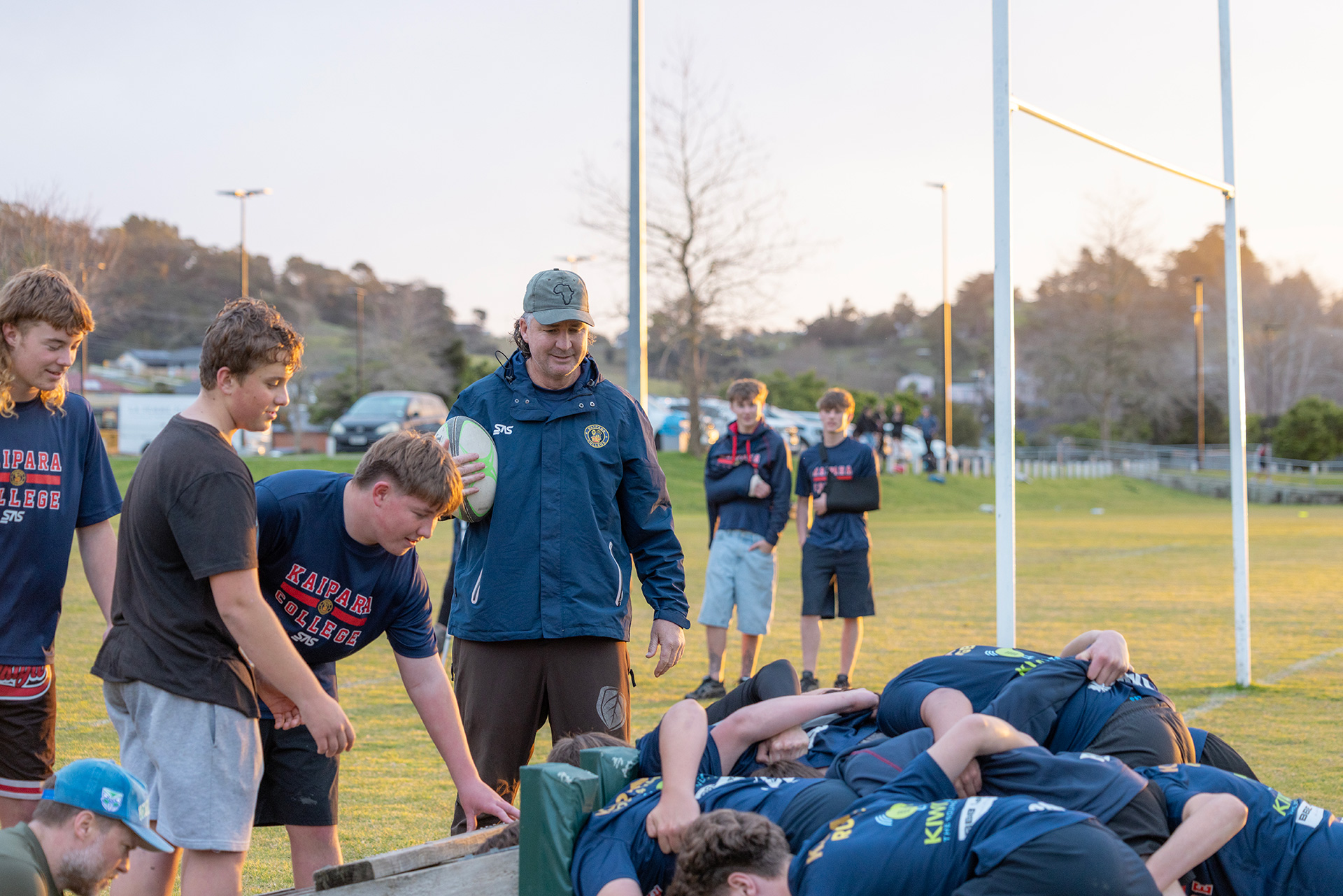 Scott coaching the Kaipara College Youth rugby team.
For years, Saturday mornings in winter have followed a familiar cadence for the Narbeys: early mornings, muddy sidelines, post-match conversations, and countless hours spent supporting the sport both their children love. They have volunteered as coaches, managers, and supporters, becoming a constant presence in the lives of local young people.
This year, Scott is coaching both son Ollie’s Kaipara College Youth 15 rugby team and daughter Bella’s Kaipara College Youth 17 girls’ rugby team. Sue manages the Bella’s team and can often be found on the sideline providing physio support for many teams across the grades. She’s been doing that for more than 20 years through her physiotherapy practice's long-standing sponsorship and support of Helensville Rugby Club's senior and junior teams.
For Scott, rugby has been woven through the fabric of his life for generations. He’s proud to be the chairman of the Helensville Rugby Football Club and can look around the clubroom and see his family’s story reflected back at him - photos of himself, his father and his grandfather all wearing the club colours across different decades. Rugby has always been more than a game. It has given him a sense of purpose, something to work towards, and a place where he feels welcomed, valued, and connected.
Over the years, he has moved from player to coach. Along with the reward of a match winning effort by his young players, he’s also proud of giving the boys a place to feel safe and to belong.
“Seeing kids I’ve coached for quite a number of years start to flourish when they’ve got older is very rewarding.” - Scott
Scott's experience reflects research showing that belonging grows through shared experiences, trusted spaces, and working towards common goals together.
A large US study found that adolescents who feel connected to family, school and community – and are recognised for their positive behaviours – are less likely to report suicidal thoughts and behaviours, depression, being bullied or substance use. (Zhang & Wright, 2026)
The deeper meaning behind the game
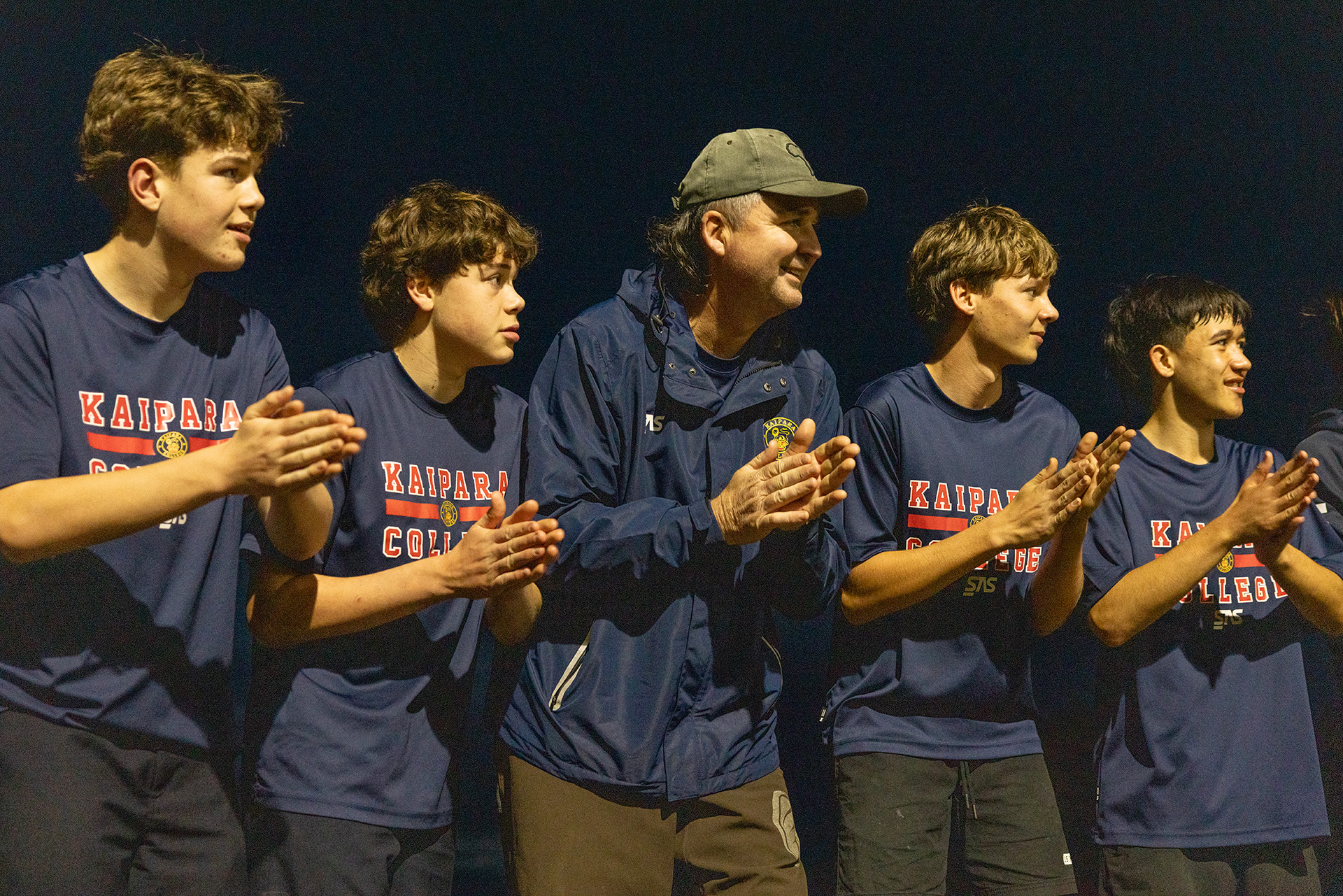
While matches and training sessions bring people together, the real value of community sport is often found in the smaller moments.
The conversations in the changing room.
The team huddle at half-time.
Carpooling to games.
The one-on-one chats after training.
These connections are what make community sport such a powerful source of belonging, particularly in rural areas where communities can be spread out and opportunities to connect may be limited.
As well as coaching, Scott still plays rugby with the Helensville Rugby Club President’s grade team – the Bulls. Many of the men grew up in the same town and have been tying up their bootlaces together since they were kids. Even now, they keep turning up each week, accepting the physical knocks and scrapes of the game because the time together gives them something just as important in return: connection, support, and a boost to their mental wellbeing.
“The mental health side of our rugby team is probably the main reason why we all do it.” - Scott
There are many couples like Sue and Scott Narbey around the motu: hard-working, community-minded and humble. Week after week, they help create a sense of belonging for the people around them, often without realising it.
In fact, they have to be prompted to really stop and think about the impact of their everyday actions.
An encouraging word at rugby training.
A conversation on the sideline.
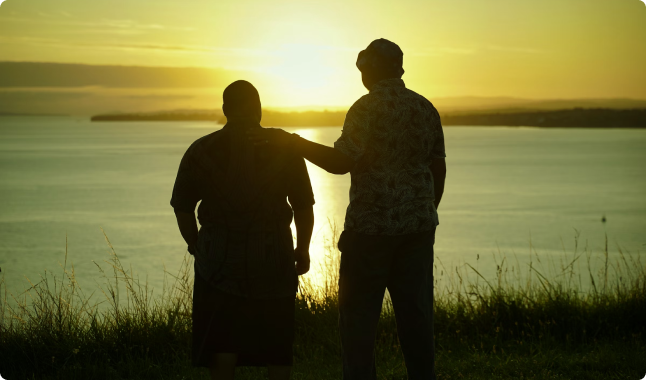
A reassuring hand on the shoulder of an upset teenager.
These small moments can have a lasting effect on a young person’s sense of connection and belonging. For Sue and Scott, belonging isn’t something they consciously set out to create. It’s simply woven into the fabric of their lives. Yet it is through these small acts of care, repeated day after day that people feel seen, supported and connected.
That is belonging in action.


Every dollar helps build a kinder, more inclusive Aotearoa
Your support makes a real difference