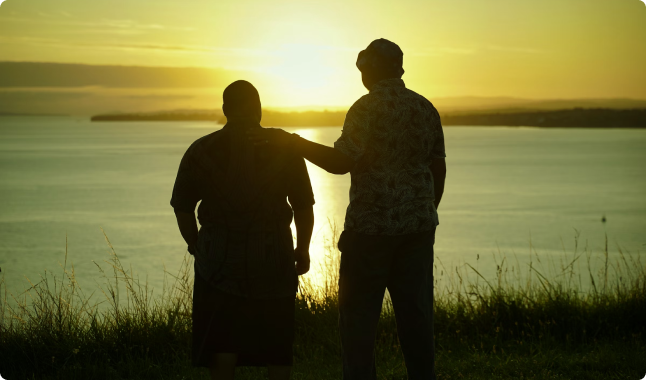
A response to hate; a pathway to belonging
Born from a collective response to hate, InCommon is helping people across Aotearoa New Zealand build belonging by finding common ground, sharing stories and creating everyday opportunities to connect across culture, faith and difference.
InCommon is a community-based organisation that encourages people to reach out across cultures, faiths and other differences to make Aotearoa New Zealand a place where everyone feels they belong.
InCommon grew out of the grassroots response to the 2019 Christchurch Mosque attacks when the world witnessed an outpouring of aroha and compassion. Following the attacks, InCommon strived to highlight how similar we are to each other, even though we may not share visible similarities. The organisation seeks to contribute to a more socially cohesive society, so that no other community experiences the outcome of extreme hate the people of Canterbury lived through.
Beginning as a campaign in April 2021 led by a cross-sector collaboration of people from local, central government, businesses and community sector, the InCommon approach was premised by the “contact hypothesis” theory, which suggests that connection across diverse groups leads to more social inclusion and less racist behaviours.
InCommon has since developed into a community-based organisation that seeks to encourage and provide opportunities for people to value and connect with those from different cultural, ethnic, faith and other backgrounds.
“The ability to connect with others is the first step towards a more inclusive society and we all need opportunities to make these connections,” says Holly Griffin, Manager of InCommon.
“Our mahi aims to interrupt the phenomenon of “homophily” which is our unconscious bias of others based on our visible differences – that’s what leads us, in a room full of strangers, to gravitate towards people who look like us and to potentially miss out on important opportunities for connection.”
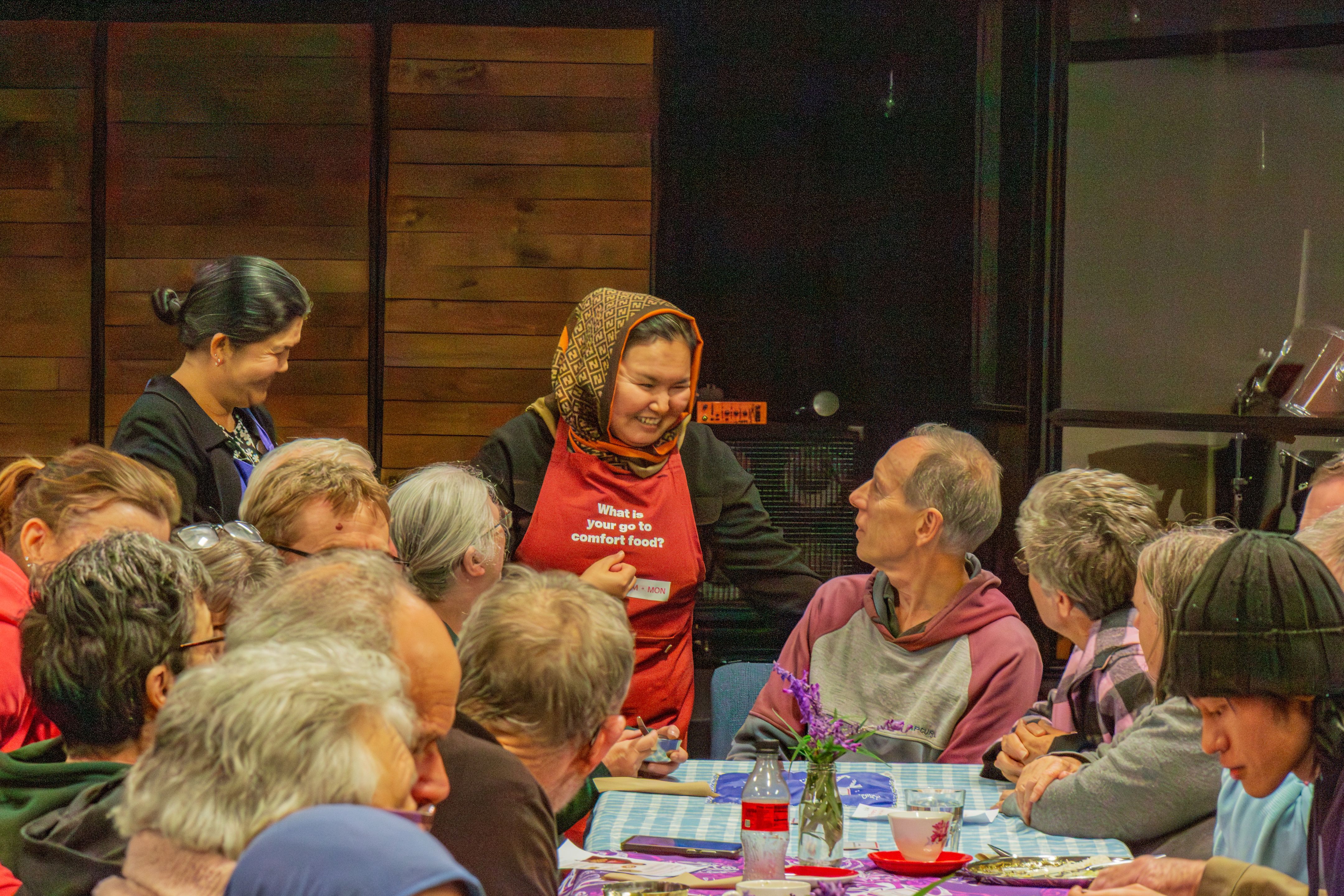
A view reiterated from a participant at one of InCommon’s events which brought people from different cultures together for a shared meal: “Food is what connects us. I eat most of my meals alone and to be able to go out and sit with others, even in silence, just listening to their chats is lovely. It makes me smile.”
And the research shows that the InCommon approach is working. 73% of people who attended an InCommon event said they’ve noticed a change in how they think or behave around people from different backgrounds.
InCommon initiatives
Inclusivity Campaigns
Every year, InCommon leads a collaborative inclusivity campaign with different communities, organisations and businesses by highlighting and celebrating our diversity and common ground. In 2026 the focus is Rainbow Communities.

Schools resources
InCommon has worked with tamariki and rangatahi to create activities to use in kura/schools to help young people get to know each other. The activities nudge tamariki/children to explore what they have in common with each other, even those they may think are very different to them.

Share Kai
The organisation also runs Share Kai, an initiative that works alongside former refugee women and another Canterbury charity Social Equity and Wellbeing Network, to build community and economic capital through the universal language of food.
Food brings people together, but the connections last well beyond a meal as one participant explains when describing a new friendship:

“We met at a Share Kai evening and found out over kai that we both liked to go for walks at the beach, so we went for a walk in New Brighton and had a coffee after, now we meet every month when the weather is good.”


Share this page
Every dollar helps build a kinder, more inclusive Aotearoa
Your support makes a real difference